In the intricate interplay between our immune system and the external world, allergies introduce a mischievous twist. Enter the forefront heroes, Antihistamines and Allergy Medications, with the mission to soothe the immune orchestra and calm histamine frenzies. Their pivotal role allows us to navigate through pollen-filled seasons or pet encounters without succumbing to the discomfort of allergy symptoms.
Did you know?
The serendipitous discovery of the first-generation antihistamine, diphenhydramine, initially developed as a
sleep aid, later revealed potent antihistaminic properties, revolutionizing allergy relief.
Pharmgenity Health supplies and exports Antihistamine and Anti Allergy APIs including Cetirizine Di HCL, Chlorpheniramine Maleate, Fexofenadine HCL, Loratadine and Triprolidine HCl, acting as a manufacturer, supplier, distributor and exporter of antihistamine APIs from Mumbai, India.
| SN | Image | Product Name | CAS No | Molecular Formula | Molecular Weight (g/mol) | Mechanism of Action |
|---|---|---|---|---|---|---|
| 1 | 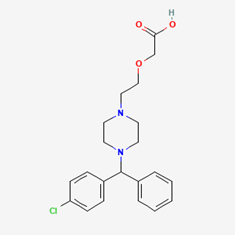 |
Cetirizine Di HCL (IP/EP) | 83881-52-1 | C21H25ClN2O3 · 2HCl | 461.82 | H1 receptor antagonist that reduces allergic symptoms with minimal sedation, used for treating allergic rhinitis and urticaria |
| 2 | 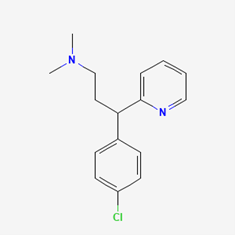 |
Chlorpheniramine Maleate | 113-92-8 | C16H19ClN2 · C4H4O4 | 390.87 | H1 receptor antagonist that reduces allergic symptoms, used for treating allergic rhinitis, urticaria, and common cold symptoms |
| 3 | 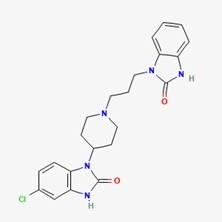 |
Fexofenadine HCL | 153439-40-8 | C32H39NO4 · HCl | 538.13 | H1 receptor antagonist that reduces allergic symptoms without sedation, used for treating seasonal allergic rhinitis and chronic urticaria |
| 4 | 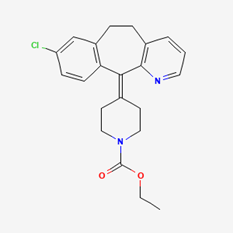 |
Loratadine | 79794-75-5 | C22H23ClN2O2 | 382.87 | H1 receptor antagonist that reduces allergic symptoms with once-daily dosing, used for treating allergic rhinitis and urticaria |
| 5 | 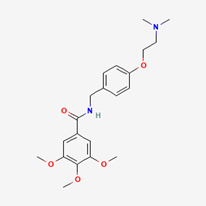 |
Triprolidine HCl | 6138-79-0 | C19H22N2 · HCl | 330.88 | H1 receptor antagonist that reduces allergic symptoms, used for treating allergic rhinitis and as a decongestant in combination products |
Other products are available based on customer requirements.
Send your requirements and our team will get back to you with technical documentation, sample availability and export pricing.
If the listed products don't precisely fit your requirements, we're ready to customize our offerings to meet your specific needs. Contact with us for a personalized quote.
First-generation antihistamines like Chlorpheniramine Maleate and Triprolidine HCl cross the blood-brain barrier and cause significant sedation, making them suitable for nighttime allergy relief but limiting daytime use. Second-generation antihistamines like Cetirizine Di HCL, Fexofenadine HCL, and Loratadine are designed to be peripherally selective H1 antagonists with minimal CNS penetration, resulting in significantly less sedation and better safety profiles. Among second-generation drugs, Fexofenadine HCL has the lowest sedation potential as it does not cross the blood-brain barrier at all, while Cetirizine Di HCL may cause mild sedation in some individuals.
Cetirizine Di HCL and Loratadine are the most suitable antihistamine APIs for pediatric oral suspension formulations due to their favorable safety profiles, palatable taste profiles, and established pediatric dosing guidelines. Cetirizine Di HCL is approved for children from 6 months of age and has a well-characterized pharmacokinetic profile in pediatric populations. Loratadine is approved from 2 years of age and offers the advantage of once-daily dosing. Both APIs are available in multiple salt forms that facilitate the development of stable, bioavailable liquid oral suspensions.
Critical impurity control in antihistamine API manufacturing focuses on monitoring for genotoxic alkyl chloride intermediates that may form during synthesis of piperazine-based antihistamines like Cetirizine Di HCL and cyclizine derivatives. Residual solvent control is particularly important as many antihistamines are synthesized using chlorinated solvents. We also monitor for optical purity in chiral antihistamines and control for degradation products formed under photolytic and oxidative stress conditions. Each batch undergoes comprehensive related substances testing by validated HPLC methods with impurity identification and quantification against ICH Q3A thresholds.
While we supply the API as the pure active substance, we can provide antihistamine APIs with particle size and crystal form specifications that are compatible with taste-masking technologies such as polymer coating, microencapsulation, or complexation with ion-exchange resins. APIs with controlled particle size distribution (D50 of 20-80 microns) are typically preferred for taste-masked oral disintegrating tablets and fast-melt formulations. We can also supply APIs in forms compatible with hot-melt extrusion and spray-drying processes used in advanced taste-masking applications.
We provide market-specific regulatory documentation for antihistamine API registrations globally. For the US market, we maintain Type II DMFs and can support ANDA filings with right of reference letters. For Europe, we offer CEP applications and active substance master file (ASMF) submissions. For emerging markets, we prepare country-specific dossiers aligned with WHO, ASEAN, GCC, and ICH-CTD formats. Our packages include batch data from commercial-scale batches, stability data covering the proposed retest period, impurity qualification data, elemental impurities risk assessment, and TSE/BSE declarations.
Get in touch with our team for detailed product information, documentation, and export pricing.