Cardiovascular agents play a crucial role in maintaining the intricate balance of our circulatory system, facing continuous challenges from cardiovascular diseases. These agents, armed with scientific precision, act as guardians for our hearts, combating the subtle threats that jeopardize cardiovascular well-being. They are akin to knights in shining armor, encompassing a range of meticulously crafted medications, including Antihypertensive Medications, Antiarrhythmics, Anticoagulants, Lipid-Lowering Agents, and Heart Failure Medications.
Did you know?
The inspiration behind the development of ACE inhibitors, like enalapril, came from an unexpected source -
snake venom. Researchers exploring the venom of the Brazilian pit viper discovered a substance that influenced
the creation of these blood pressure-lowering medications.
Pharmgenity Health supplies and exports Cardiovascular APIs including Amlodipine Besilate, Atorvastatin Calcium, Losartan Potassium, Metoprolol Succinate/Tartrate, Ramipril, Rivaroxaban, Rosuvastatin Calcium, Potassium Citrate, Ferrous Fumarate and Ferrous Gluconate, acting as a manufacturer, supplier, distributor and exporter of cardiovascular APIs from Mumbai, India.
| SN | Product Image | Product Name | CAS No | Molecular Formula | Molecular Weight (g/mol) | Mechanism of Action |
|---|---|---|---|---|---|---|
| 1 | 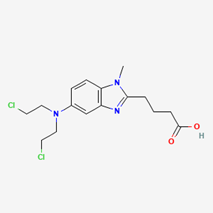 |
Amlodipine Besilate | C20H25ClN2O5 | C16H13C12NO4 | 567.05 | Calcium channel blocker; inhibits influx of calcium ions across cell membranes in cardiac and smooth muscle cells, lowering blood pressure |
| 2 | 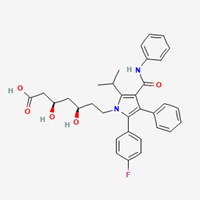 |
Atorvastatin Calcium | C66H68CaF2N4O10 | C14H11Cl2NO2 | 1209.42 | HMG-CoA reductase inhibitor; reduces cholesterol synthesis, lowering LDL cholesterol ("bad cholesterol") levels |
| 3 | 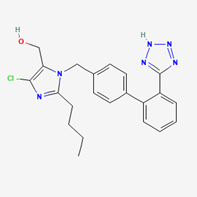 |
Losartan Potassium | 124750-99-8 | C22H22ClKN6O | 461.01 | Angiotensin II receptor antagonist; blocks binding of angiotensin II to receptors, leading to vasodilation and lower blood pressure |
| 4 | 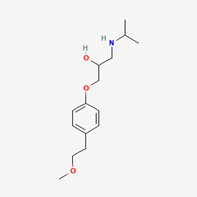 |
Metoprolol Succinate/Tartrate | 98418-47-4 | C34H56O10 | 684.82 | ?1-adrenergic receptor blocker; reduces heart rate and contractility, lowering blood pressure and reducing workload on the heart |
| 5 | 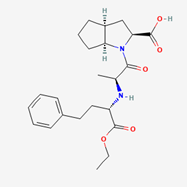 |
Ramipril | 87333-19-5 | C23H32N2O5 | 416.48 | Angiotensin-converting enzyme (ACE) inhibitor; inhibits conversion of angiotensin I to angiotensin II, lowering blood pressure and reducing strain on the heart |
| 6 | 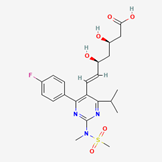 |
Rivaroxaban | 366789-02-8 | Variable | Variable | Direct Factor Xa inhibitor; inhibits conversion of prothrombin to thrombin, preventing blood clot formation |
| 7 | 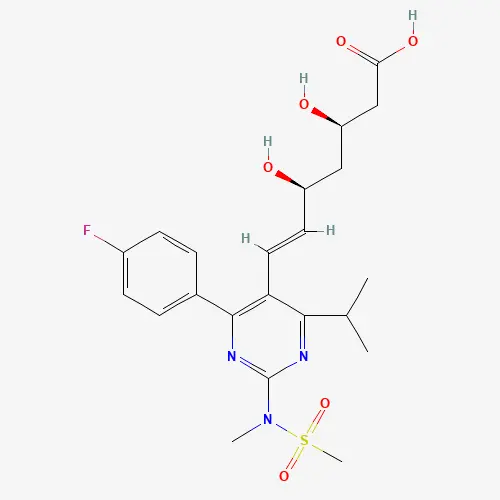 |
Rosuvastatin Calcium | 147098-20-2 | C44H54CaF2N6O12S2 | 1001.14 | HMG-CoA reductase inhibitor; lowers LDL cholesterol and triglycerides, increases HDL cholesterol ("good cholesterol") |
| 8 | 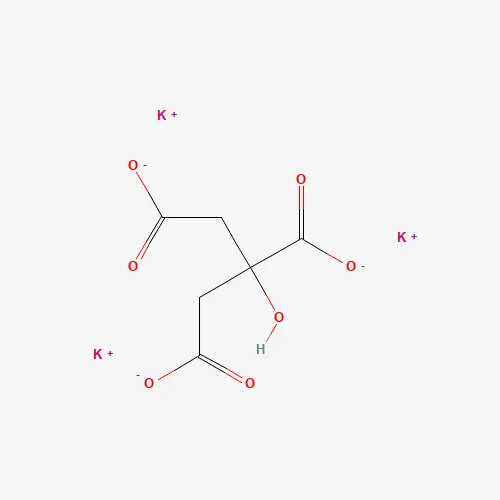 |
Potassium Citrate | 866-84-2 | C6H5K3O7 | 324.41 | Alkalinizing agent; provides potassium ions and citrate, which raises urinary pH and helps dissolve certain types of kidney stones |
| 9 | 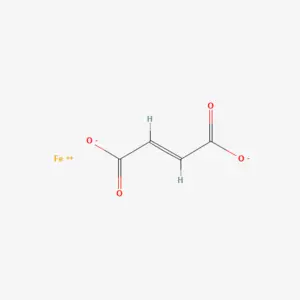 |
Ferrous Fumarate | 141-01-5 | C4H2FeO4 | 169.90 | Iron supplement; provides ferrous iron, which is absorbed in the intestine and used for hemoglobin synthesis |
| 10 | 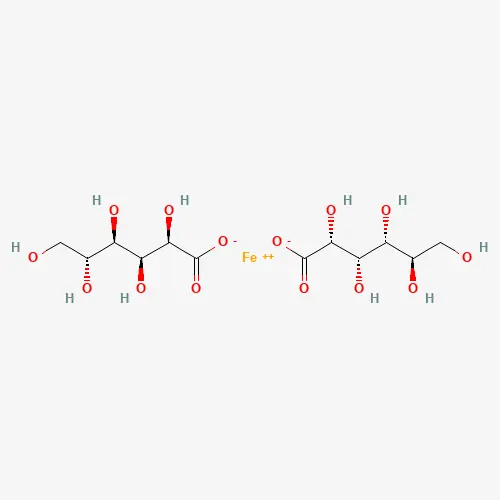 |
Ferrous Gluconate | 299-29-6 | C12H22FeO14 | 446.68 | Iron supplement; provides ferrous iron, which is absorbed in the intestine and used for hemoglobin synthesis |
Other products are available based on customer requirements.
Share your requirements and our team will get back to you with pricing, product documentation, and export support.
If the listed products don't precisely fit your requirements, we're ready to customize our offerings to meet your specific needs. Connect with us for a personalized quote.
Atorvastatin and Rosuvastatin are both HMG-CoA reductase inhibitors, but they differ significantly in potency and LDL-C reduction capacity. Rosuvastatin is considered the most potent statin available, offering approximately 55-63% LDL reduction at its starting dose compared to Atorvastatin's 37-51% at equivalent milligram strength. Rosuvastatin also has a longer half-life (19 hours vs 14 hours for Atorvastatin), allowing flexible dosing schedules, and is less metabolized by CYP450 enzymes, resulting in fewer drug-drug interactions. Atorvastatin, however, has more extensive clinical outcomes data and is available in more cost-effective generic formulations worldwide.
Amlodipine Besilate is a dihydropyridine calcium channel blocker with a uniquely long elimination half-life of 30-50 hours, allowing once-daily dosing with consistent 24-hour blood pressure control. Unlike nifedipine, Amlodipine has a gradual onset of action that minimizes reflex tachycardia, and its high vascular selectivity reduces negative inotropic effects on the heart. Its predictable pharmacokinetics, minimal food interactions, and proven efficacy in large-scale clinical trials make it the most prescribed calcium channel blocker globally for hypertension and coronary artery disease.
Our cardiovascular APIs undergo ICH Q1A-compliant stability testing including long-term studies at 25°C/60% RH for up to 60 months, accelerated studies at 40°C/75% RH for 6 months, and intermediate studies at 30°C/65% RH when significant change occurs at accelerated conditions. Photostability testing per ICH Q1B is also conducted on light-sensitive APIs like Atorvastatin and Nifedipine. Stability-indicating assay methods are used to monitor potency, degradation products, dissolution behavior, and physical properties throughout the study period.
Yes, we can supply cardiovascular APIs with engineered particle size distributions optimized for direct compression tableting. APIs like Atorvastatin Calcium and Losartan Potassium can be supplied in directly compressible grades with controlled particle size (typically D50 of 50-200 microns), improved flow properties, and modified surface characteristics that enable efficient direct compression without wet granulation. This reduces manufacturing costs, processing time, and potential degradation risks associated with granulation steps.
We provide comprehensive regulatory documentation packages tailored to emerging market requirements, including full drug master files (DMF) or drug substance files, certificates of suitability (CEP) where applicable, stability data summaries, impurity profiles with ICH-compliant qualification, elemental impurities risk assessment per ICH Q3D, residual solvent profiles, batch analysis data from three consecutive commercial-scale batches, GMP certificates from manufacturing facilities, and site master files. We can also prepare country-specific dossiers aligned with ASEAN, GCC, WHO, or local regulatory authority requirements.
Get in touch with our team for detailed product information, documentation, and export pricing.